AHigh-performanceversion of SCADA
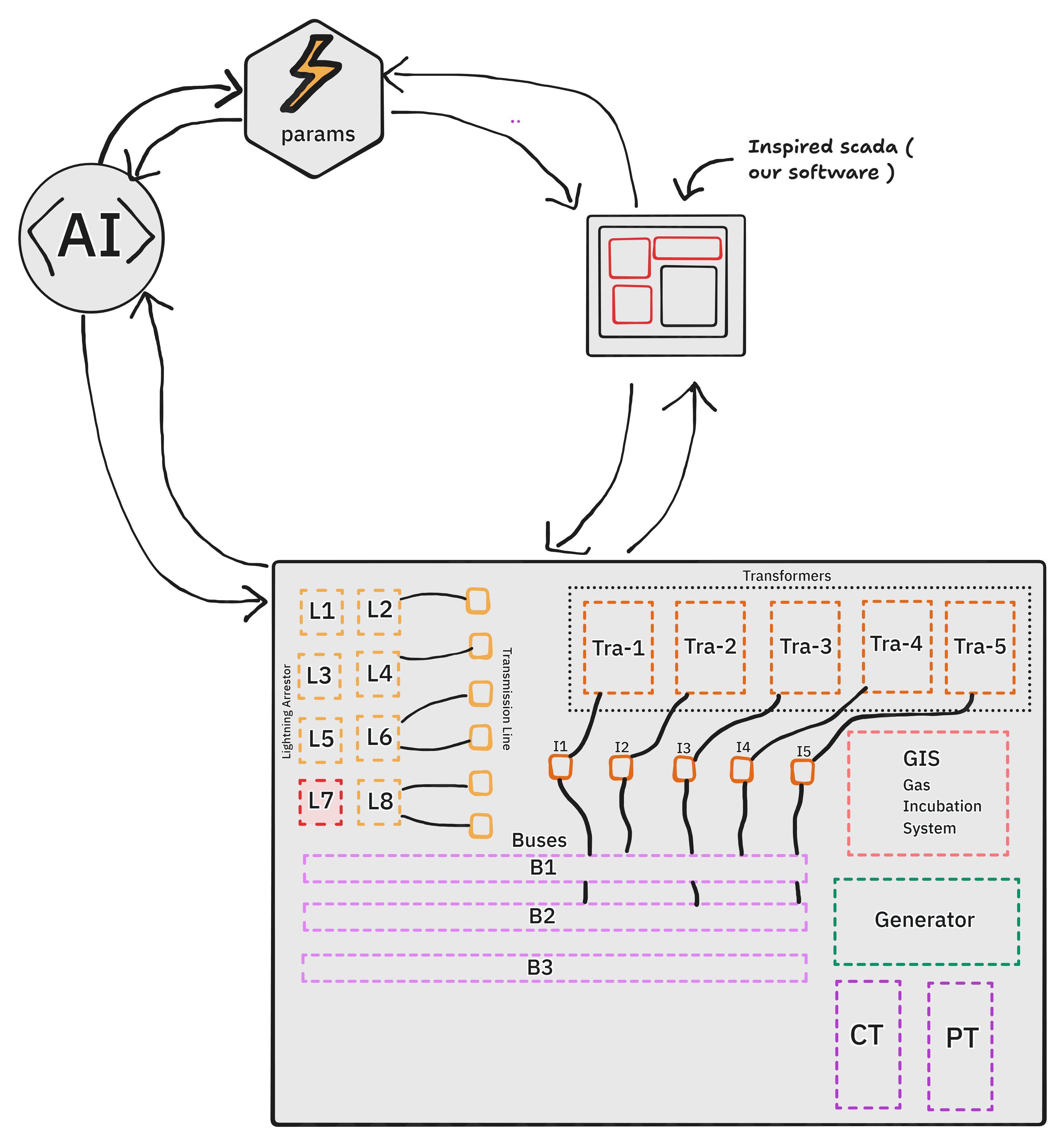
MScada is a next-generation, also known as Modern Scada, an open source monitoring layer that elevates traditional SCADA systems with intelligent capabilities. By combining real-time telemetry processing, machine learning based fault detection, and millisecond level event analysis, it delivers deeper operational insight, faster anomaly detection, and smarter automation.
The grid speaks in milliseconds.
Most systems listen in seconds.
In August 2003, a single sagging power line in Ohio cascaded into the largest blackout in North American history. 50 million people, two days, $6 billion. Traditional SCADA had logged the fault. No one read the alarm in time.
Sub-millisecond response
Inference runs at the edge, before fault propagation begins. Rule-based SCADA waits for thresholds — by then, the cascade has started.
Pattern recognition
The model learns the fingerprints of failure: harmonic distortion, micro-arcing, thermal drift. Subtle precursors that no static threshold can encode.
Predictive isolation
Forecasts cascading failures across substations and isolates the affected segment before downstream equipment is exposed to the fault current.
Detection latency, charted against the fault.
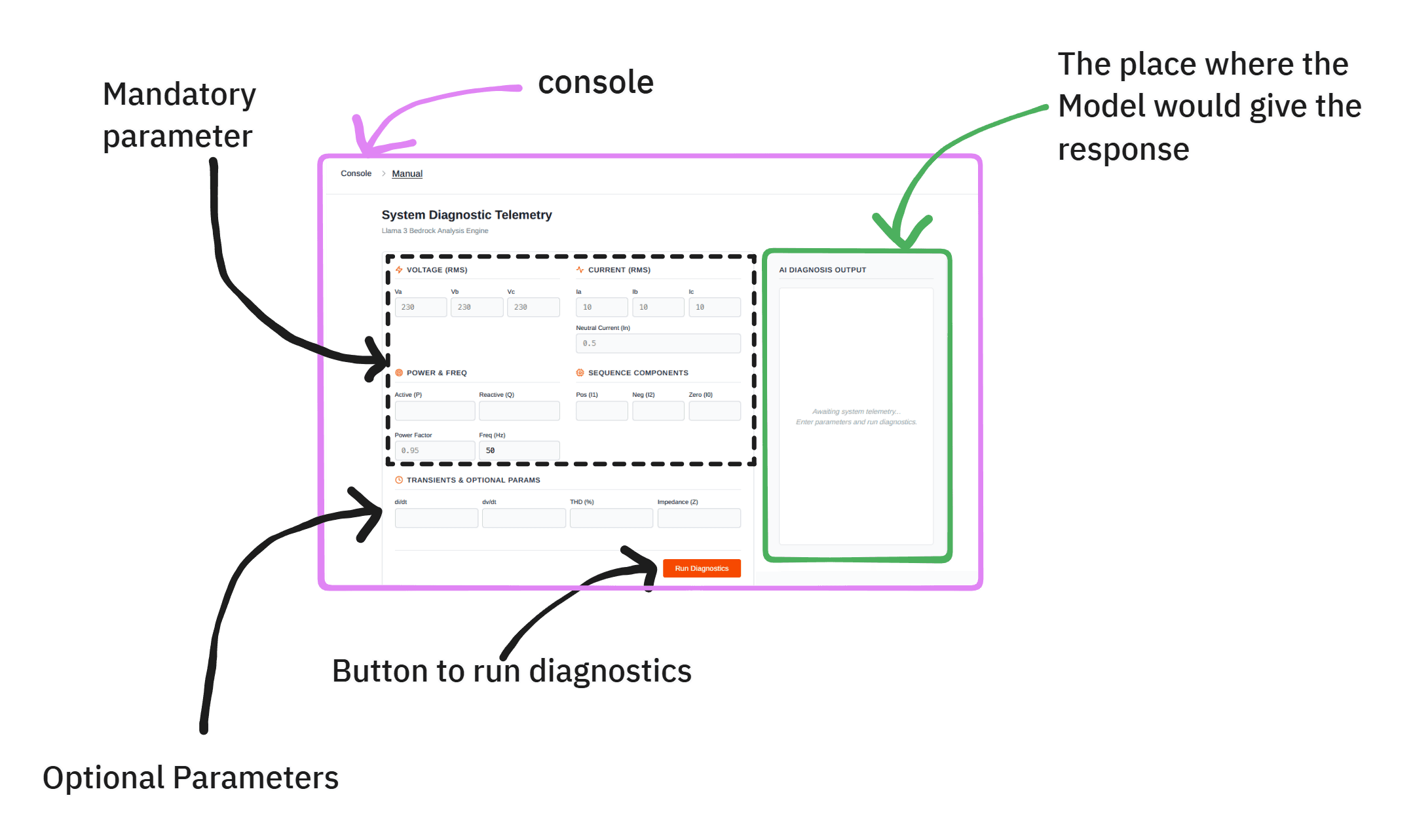
T = time since fault initiationConsole Preview
Core Framework Architecture
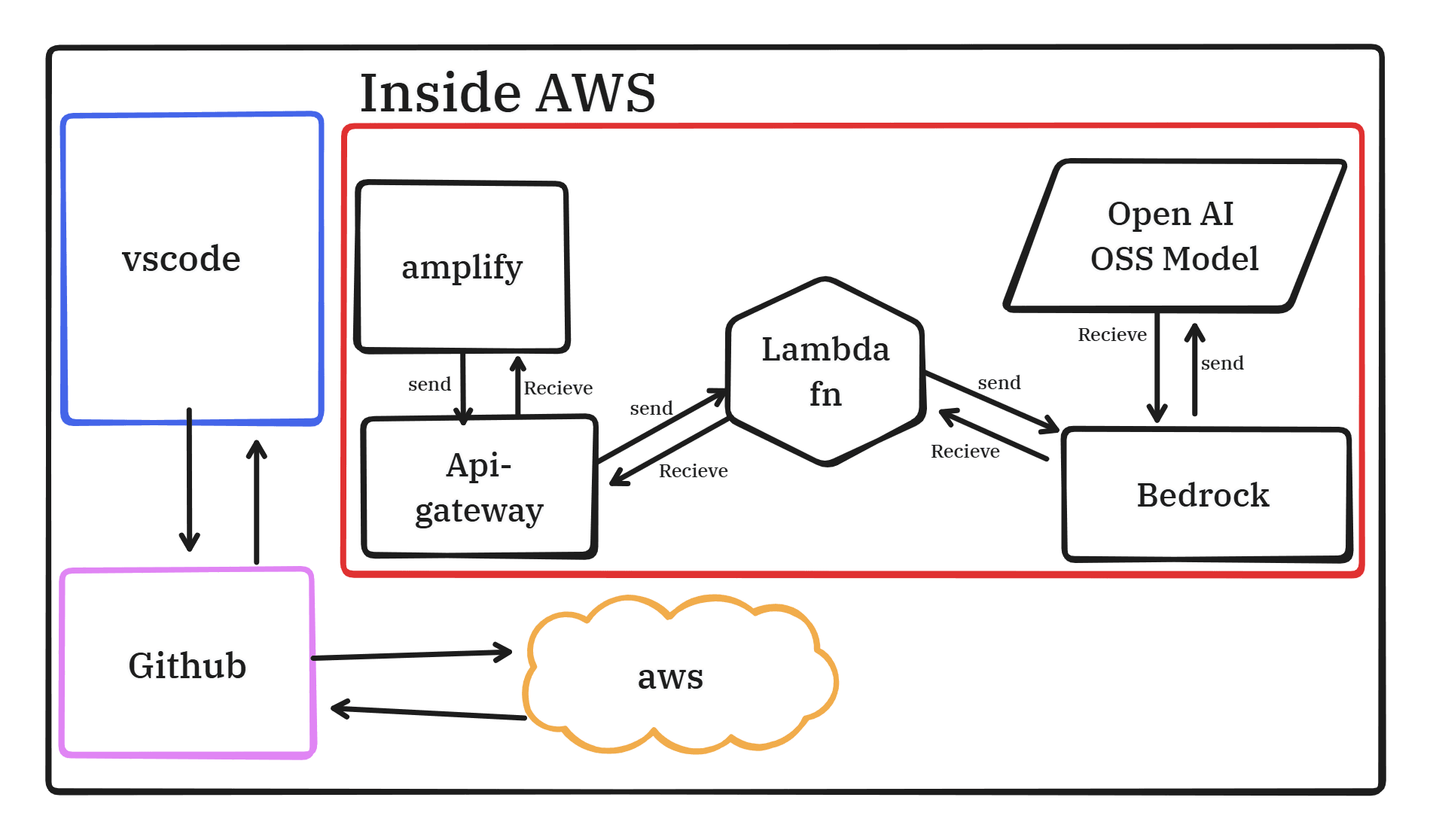
A distributed, edge-first architecture designed for high-availability environments including steel manufacturing, rail networks, and heavy power distribution.